
Agriculture and Natural Resources
This month, I want to talk to my fellow horse owners!
Most of you know about my background in cattle production, but I don’t think I’ve ever mentioned that I grew up around a herd of 20 to 30 mares. Riding horses was always my favorite activity on the farm. I spent countless hours horseback, gathering and working cattle. Down there, four-wheelers never replaced horses. They are still the primary “tool” for working cattle on many ranches, and I hope they always will be.
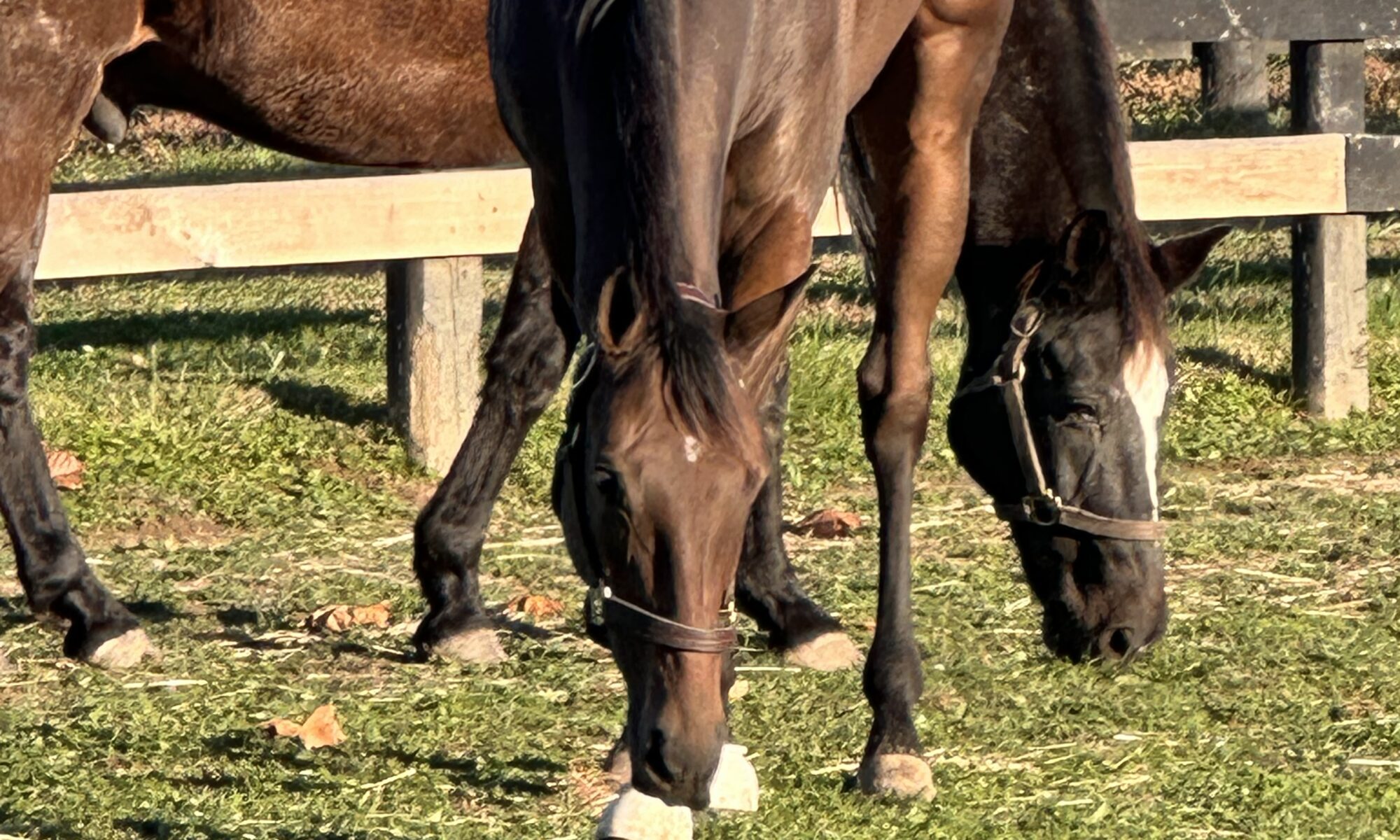
Just like cattle, horses rely on forages as the foundation of their nutrition. Well-managed pastures are the least expensive feed source and can meet much of a horse’s nutritional requirements while reducing the need for purchased feeds. Pastures also provide tremendous welfare benefits by allowing horses access to sunlight, room to exercise, and opportunities for social interaction. Life on pasture simply supports healthier, happier horses.
Over the years, I have realized that the biggest challenge for horse owners is not necessarily growing more forage—it’s having enough pasture to support all the horses we want to own. Let’s be honest: horses are addictive. It’s hard to stop at just one! The more acres you have, the more horses you find yourself wanting.
That is why the first question should not be, “How can I produce more forage?” Instead, ask yourself, “How many acres of pasture do I have, and how many horses can it realistically support?” In my experience, 95% of the time the answer is that there simply are not enough acres because there are already too many horses. Recognizing that reality is the first step toward making good pasture management decisions.
If horses were expected to graze year-round without supplemental hay, they would generally require between 2 and 4 acres per horse, depending on forage species, the balance of cool- and warm-season grasses, soil fertility, and grazing management. Most of us simply do not have that much land available per horse. That is why having a sacrifice lot is essential. A sacrifice lot is a designated area equipped with shelter, water, and hay feeders where horses can be kept when pasture conditions are unsuitable or when paddocks need time to recover. It protects pastures during muddy conditions or periods of slow growth and, most importantly, allows forage plants the rest they need to regrow.
Maintaining good soil fertility is equally important. Soil should be tested every other year to ensure nutrients are not limiting forage production. Remember, if you have more horses than your acreage can comfortably support, every pound of forage matters. Fortunately, maintaining high soil fertility on relatively small horse pastures is much easier than on large cattle operations and can significantly reduce purchased feed costs. If you’d like to learn more, check out some of the previous articles in this column on pasture soil fertility.
Horse grazing behavior also differs considerably from cattle. Horses are highly selective grazers and tend to graze preferred areas very closely while avoiding others, creating patchy pastures. Continuous close grazing reduces leaf area, weakens root reserves, and eventually leads to bare ground, erosion, and weed invasion if plants are not given adequate recovery time.
This is where rotational grazing becomes invaluable. More paddocks provide greater management flexibility and allow plants to recover between grazing events. I like to keep it simple: two paddocks are better than one, three are better than two, and so on. The more paddocks you have, the greater your ability to manage grazing, improve forage utilization, and maintain healthy, productive pastures.
For most cool-season grasses in Tennessee, grazing should begin when forage reaches 8 to 10 inches in height, and horses should be removed when the pasture is grazed down to about 4 inches. Whenever possible, limit the grazing period in each paddock to no more than 7 days. Most forage plants begin producing new regrowth within 3 to 4 days after grazing, and repeated grazing of these young leaves can reduce stand persistence. Allowing adequate recovery restores leaf area and root reserves, improves pasture uniformity, increases usable forage production, and can even reduce the amount of hay needed throughout the year.
Horses truly are remarkable animals. I miss mine every single day. If you’re ever up for a horseback ride or need an extra hand gathering cattle, just give me a call. I never need an excuse to climb back in the saddle.