
Agriculture and Natural Resources
While talking with producers and industry partners across Tennessee, I was reminded that forage management information reaches a wide range of readers — from multi-generation cattle producers to individuals just getting started in livestock production. With that in mind, from time to time, I will revisit foundational topics that may feel familiar to experienced producers but can be valuable to those new to the industry. This month’s column is one of those topics.
The Terminology for Grazing Lands and Grazing Animals defines forage as the “edible parts of plants, other than separated grain, that can provide feed for grazing animals or that can be harvested for feeding.” In simple terms, forage is the foundation of our cattle systems. Understanding the different forage types and categories is one of the first steps toward better forage planning. The two main categories are grasses and legumes:
- Grasses (“plants or plant species of the Poaceae family”) are commonly characterized by long and narrow leaves, such as tall fescue, bermudagrass, and crabgrass. Grasses are the backbone of most forage systems because they can produce large amounts of forage over several months of the year.
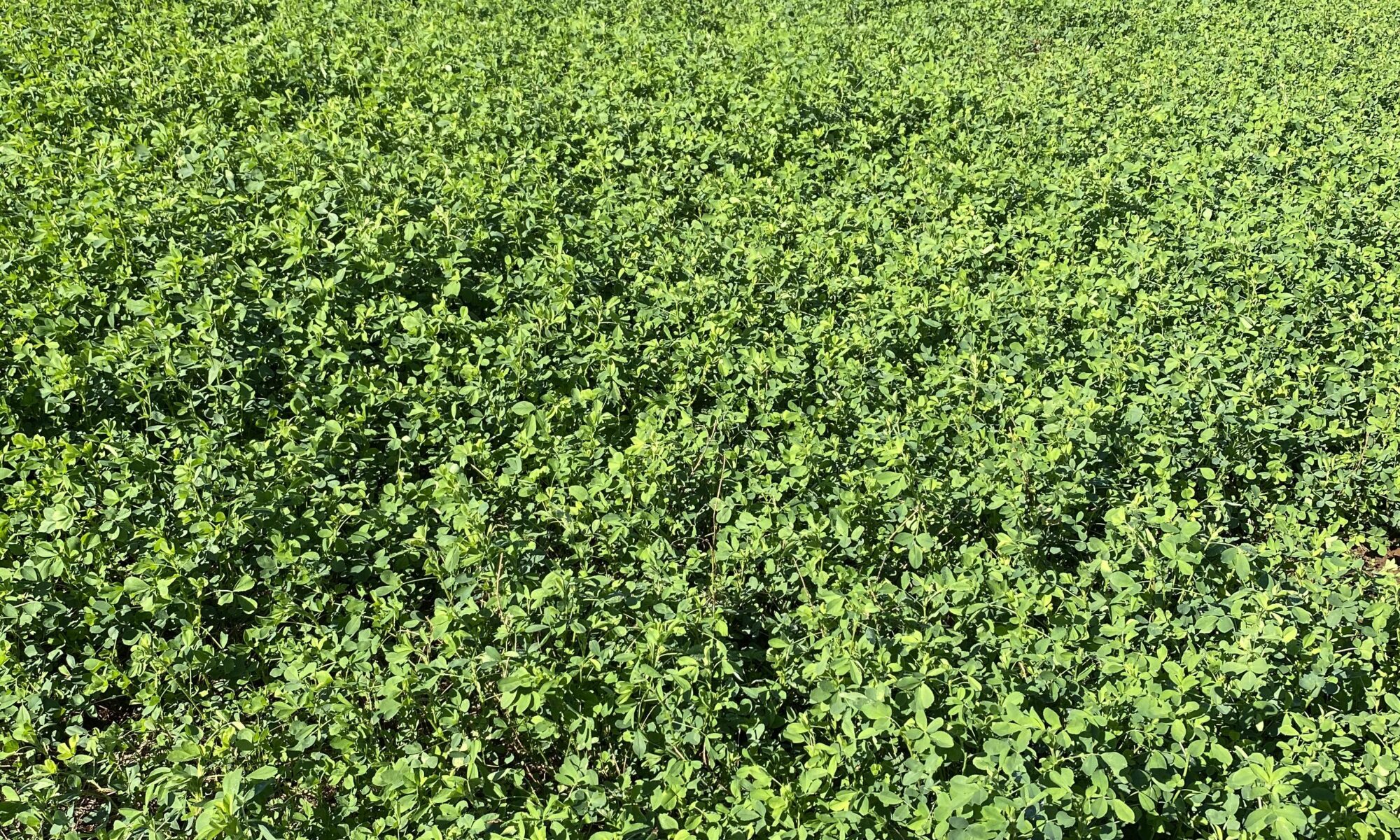
- Legumes (“plants or plant species of the Fabaceae family”) are usually broad-leaved plants such as clovers and alfalfa. One major advantage of legumes is their ability to fix atmospheric nitrogen through a symbiotic relationship with bacteria. In general, legumes also tend to have greater digestibility and forage quality than grasses.
Forages can also be divided into annuals and perennials. Annual forages complete their life cycle within one growing season — they germinate, grow, produce seed, and senesce within the same year. Perennials, on the other hand, live for multiple years. Not because the individual plant parts do not die, but because the plant continuously produces new tillers. If managed properly, perennial pastures can remain productive for years or even decades. I am sure many of you know a tall fescue pasture that has been around for a very long time.
Another important classification is warm-season versus cool-season forages. As the names suggest, each group grows best under different temperature conditions. Tall fescue, for example, is a cool-season forage that grows fast during spring and fall, but becomes mostly dormant during the heat of summer. Bermudagrass, a warm-season forage, thrives during late spring and summer, but stops growing once temperatures begin to cool.
Forage mixtures are possible and highly encouraged, such as tall fescue and clovers. These mixtures can combine the high-yielding potential of fescue with the great nutritive value of clovers. In my opinion, the most important thing is to maintain diversity within the farm’s forage system. Keeping the forage base centered on tall fescue is still the way to go in Tennessee, but because fescue does not grow well during the summer months, warm-season forages such as bermudagrass and crabgrass can be crucial to maintaining stable forage production for a few more months.
The beauty of forage management is becoming the conductor of a forage orchestra. Different forage species are like different groups of instruments. Our job as a producer is to put them in the right pasture, by itself or in mixtures, and provide the right conditions — fertility, grazing management, and rest periods — so they can perform in harmony and produce the best “music” possible for your operation.