
Agriculture and Natural Resources
And just like that, January is here again and leaving us fast! I hope this new year brings blessings and good grass to all. As we move toward February, it’s the time to think about overseeding clover into our cool-season pastures. In this article I want to share why legumes remain one of the most valuable tools we have in our forage systems.
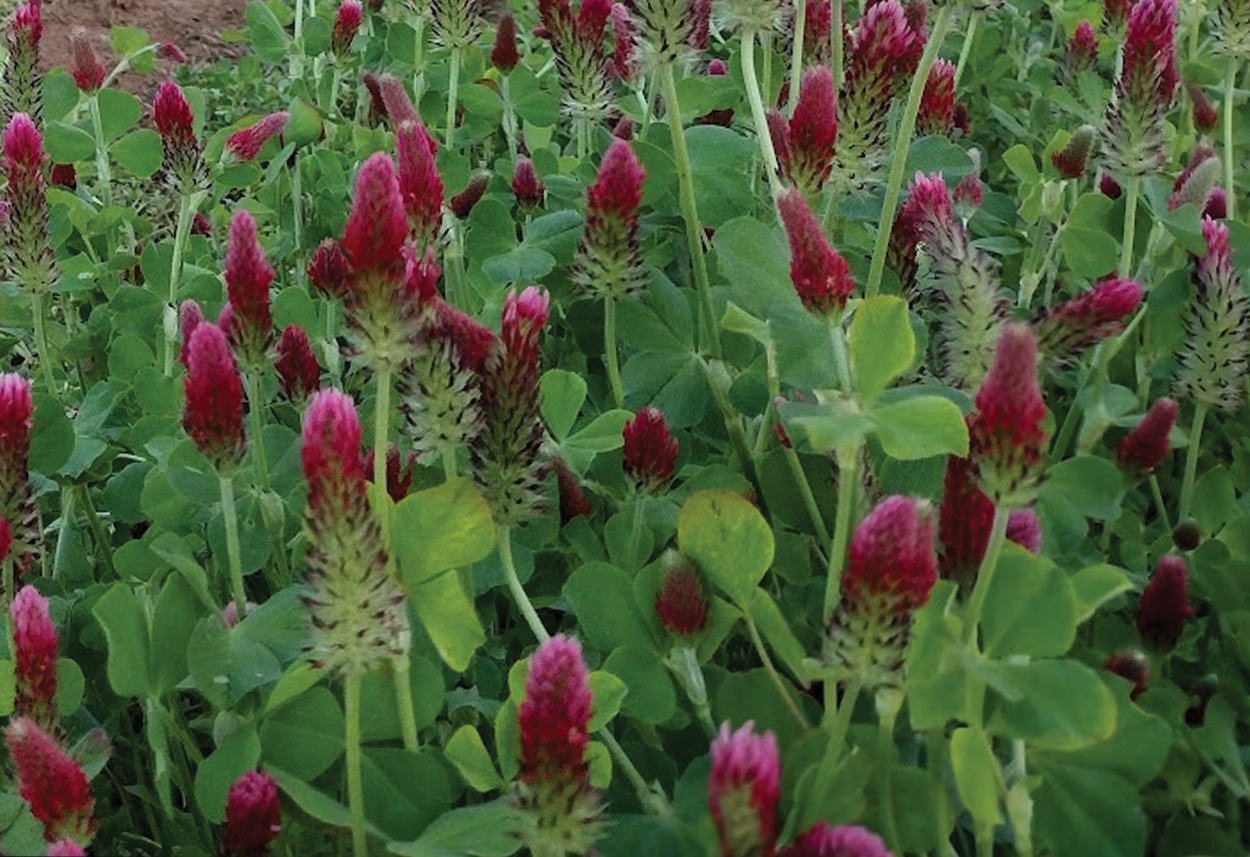
Legumes are plants in the Fabaceae family, and while more than 150 species can be used as forages, the ones we rely on most in Tennessee are red clover, white clover, and in some situations, alfalfa. They fit well in both pasture and hay systems. But what makes legumes truly special is their natural ability to partner with some bacteria and fix nitrogen from the air. That single characteristic brings a long list of benefits to our forage-based livestock systems:
1. Better forage quality = better cattle performance: Because legumes fix nitrogen, they tend to be higher in protein and often more digestible than cool-season grasses alone. When cattle graze higher-quality forage, their performance generally improves, which means better gains, better body condition, and ultimately better profitability. Legumes don’t just feed cattle—they improve the forage those cattle are eating.
2. Natural nitrogen fertilizer: Another major advantage is the nitrogen they return to the soil. As clover grows and even after it dies, it releases nitrogen that nearby grasses can use. Several studies show that if we maintain around 30% clover in a pasture, it can be equivalent to applying 50 to 60 pounds of nitrogen fertilizer. That is valuable nitrogen that comes straight from the atmosphere and doesn’t have to be purchased or spread. Fertilizer prices change every year, but free nitrogen always pencils out. That’s free nitrogen from nature. Hard to beat.
3. Pasture diversity and soil health: Adding legumes also increases pasture diversity, which benefits soil health, nutrient cycling, and even wildlife and pollinators. Legumes help the pasture function as a healthier system overall. In other words, legumes help your pasture function better as a whole system.
How do we take advantage of clover? Start by overseeding only in pastures that are already clean. Most broadleaf herbicides will kill legumes, so if weeds are a problem, control them first and seed clover later. For most of Tennessee, mid-February is the recommended time to broadcast seed. A simple blend is 2 pounds of white clover and 4 pounds of red clover per acre, which should bring most pastures close to that 30 percent target. Red clover usually responds as a biennial, while white clover can persist for many years if we avoid overgrazing and use herbicides carefully.
There is also some good news on the herbicide front. Corteva recently released NovaGraz™, which does not kill white clover or annual lespedeza, although it will control red clover and most other legumes. Even with white clover and annual lespedeza, you will notice injury for a few weeks after spraying, but they are expected to recover and continue growing.
With fertilizer costs always uncertain, legumes remain one of the most reliable and affordable tools we have to improve forage quality and pasture productivity. If you have a pasture ready for it, this February is a great time to invest in clover and let nature help carry part of the load.