
Agriculture and Natural Resources
Originally published in Progressive Cattle magazine:
http://www.agproud.com/articles/62157-southeast-making-do-with-what-you-have
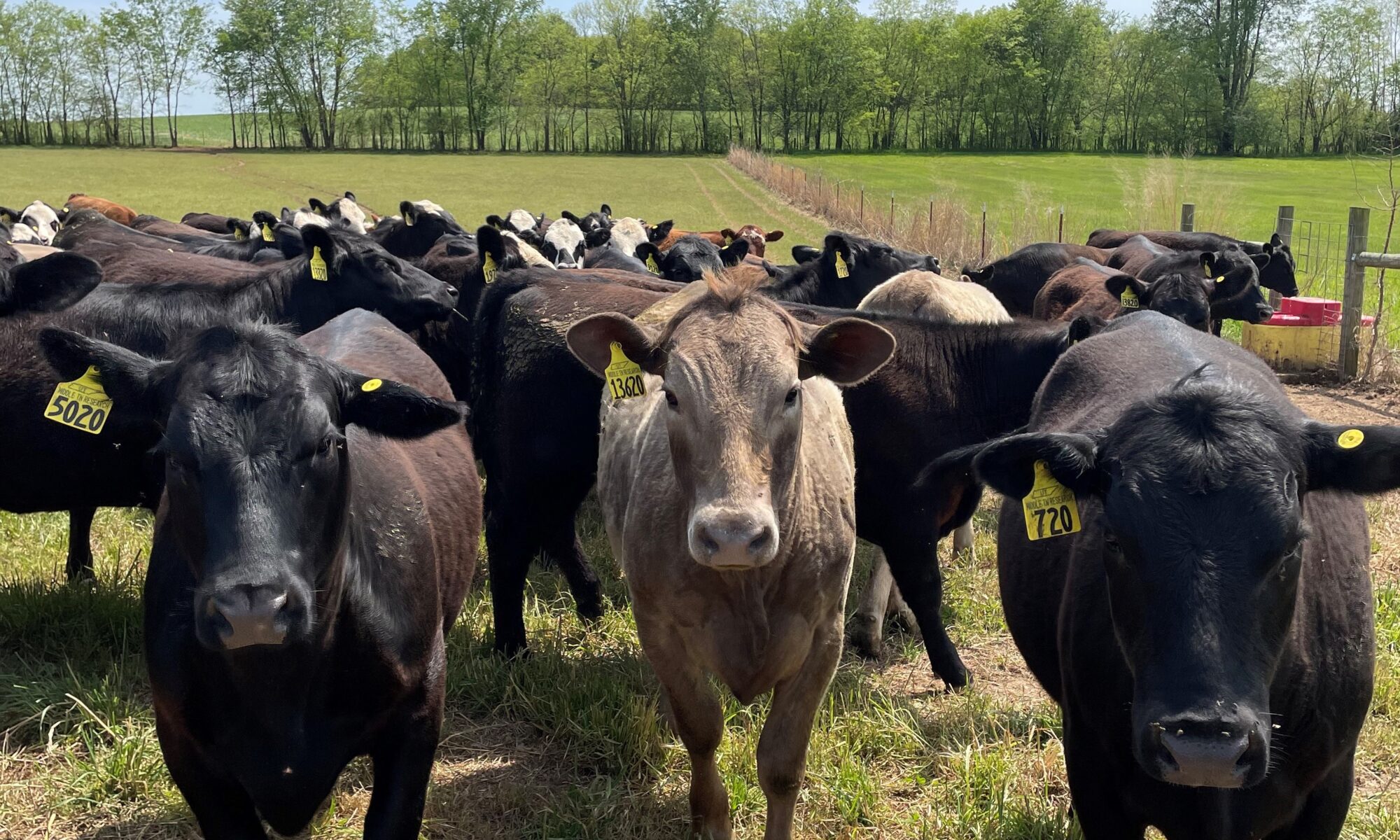
Any cattle producer knows one of the best feelings is when you just get to stand back and watch your cows. Seeing these amazing creatures interact with the land and each other is really the essence of cattle production. But have you ever put much thought into how their behavior can drive productivity and profitability on your operation? Whether it is their grazing patterns or their temperament and reaction to pressure on the flight zone, cow behavior impacts forage utilization, labor efficiency, and long-term success of the herd. When cow behavior is easily managed, predictable, and aligned with what you want to accomplish on-farm, it is an asset to your operation. Otherwise, it becomes a liability.
My favorite cow behavior to think about is grazing patterns. If given the chance, cows will be pretty selective (picky) about when and where they graze. Rather than a uniform pattern, they move across grazing areas in places that are comfortable and familiar. Shade and watering areas are common places for cattle to loaf, and you will often see very distinct pathways across the pasture. The result of this loafing and uneven grazing behavior is overgrazing of some areas and under grazing of others. From the pasture perspective, this reduces forage productivity, increases weed pressure, and reduces stand longevity. Minor changes to a grazing system, like relocating mineral feeders, changing water access points, and breaking up pastures into smaller paddocks with cross fencing, can modify behavior enough to redistribute grazing behavior and improve pasture productivity. More positive benefits follow: more uniform nutrient distribution, lower fertilization costs, and healthier stands that do not have to be reestablished as often.
Another important aspect of behavior is temperament. The flight zone is essentially a cow’s “bubble” of personal space. This is the space in which cattle feel comfortable being still and observing their surroundings. As soon as someone moves into the cow’s flight zone, the cow will move away from that person, just through pressure on the flight zone boundary. Cows that are flighty and highly reactive require more time, more people (if available), and better infrastructure to handle safely and efficiently. Operations with calm cattle spend less time dealing with challenges in sorting, loading, and working cattle. Additionally, high stress levels in these cattle can reduce their productivity and raise the risk of bruising, shrink, and treatment failure. Handling cattle calmly with good facility design, and genetic selection for docility can reduce lower handling costs and inefficiencies significantly.
Cattle temperament is not just about having a “well-behaved” cow. Elevated stress hormones in high-strung cattle have an impact on immune function, appetite, weight gain, and more. Cattle with poor dispositions have higher treatment rates and may have lower conception rates. It only takes a few “bad apples” to contribute disproportionately to stress and inefficiency in the herd. Recognizing the hidden costs of cow behavior, and the opportunity to use it as a tool, allows producers to optimize land use, reduce labor, and improve herd performance, making it an important and profitable area of focus.